Physical Access at Every Level
Our suspended platforms descend the full height of the building, giving technicians arm's-length access to every section of facade. This is the only way to detect sub-millimeter cracks, test render adhesion by percussion, and assess sealant condition accurately. Drone photography and binocular surveys from street level cannot substitute for direct physical inspection.
Calibrated Measurement, Not Estimation
Every crack is measured with calibrated crack gauges. Every affected area is quantified in square meters. Every pathology is classified according to its type, probable cause, and severity. The report contains measurements, not impressions — giving contractors and administrators precise data to plan and budget repairs accurately.
Independent Reporting
Dexviloq conducts inspections as an independent service. We do not carry out the repairs we recommend. This separation is fundamental to the objectivity of the findings. Building administrators receive a report written in their interest, not shaped by the commercial interest of a contractor who will subsequently bid on the work.
Urgent vs. Aesthetic Prioritization
Not every facade defect requires immediate action. Our reports categorize findings into urgent structural interventions — where delay causes accelerating damage or safety risk — and scheduled aesthetic corrections that can be incorporated into planned maintenance cycles. This distinction helps administrators allocate resources rationally and avoid unnecessary emergency expenditure.
Photographic Documentation Standard
Every finding is photographed with a reference scale in frame. Images are organized in the report by facade elevation, floor level, and pathology type. The photographic catalog allows any contractor to locate and understand each defect without needing to re-inspect, reducing pre-repair assessment time and potential for misinterpretation.
Repair Budget Included
The inspection report includes an itemized repair cost estimate for each category of pathology. This allows building administrators to understand the financial scope of maintenance before engaging contractors, compare quotes against an independent baseline, and present informed proposals to building ownership or residents' committees.
The Inspection Serves the Building Owner
When a building's facade begins to deteriorate, the first technical opinion often comes from a contractor who will also quote the repair. This creates a structural conflict of interest. An independent inspection, conducted before any contractor is engaged, gives building administrators an objective baseline from which to evaluate any subsequent proposal.
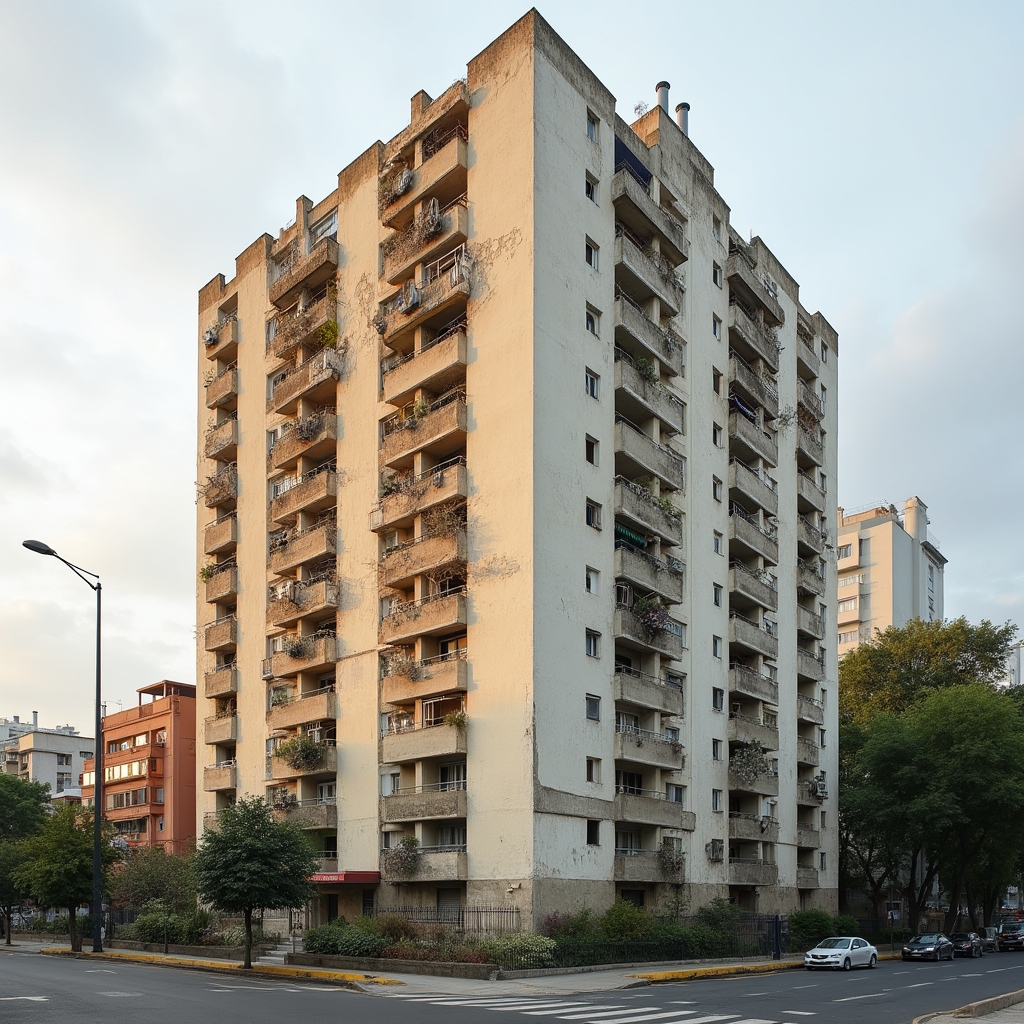
What Happens During the Platform Inspection
Before Deployment
Building roof inspection to confirm anchor points and platform rigging positions. Coordination with building administration on work schedule and resident notification protocol.
During Inspection
Platform descends in systematic vertical strips across each facade elevation. Technicians photograph, measure, and record each pathology in real time on standardized field sheets.
Report Preparation
Field data is compiled into the facade elevation drawing. Photographs are cataloged and cross-referenced. Repair specifications and cost estimates are prepared for each finding category.
Report Delivery
Complete written report delivered within five working days of field completion. Report formatted for direct use by building administrators, property owners, and any contractor invited to quote repairs.