What the Diagnosis Covers
The technical facade diagnosis is a complete assessment of the building envelope's external surface condition. It covers all materials — render, paint, tiles, sealants, exposed concrete — and all envelope interfaces — window perimeters, expansion joints, balcony edges, service penetrations.
The diagnosis is not limited to visible defects. Percussion testing identifies hollow render sections before they detach. Systematic photography captures early-stage deterioration that becomes critical if left unaddressed. The report provides the data needed to plan maintenance before damage compounds.
Request Diagnosis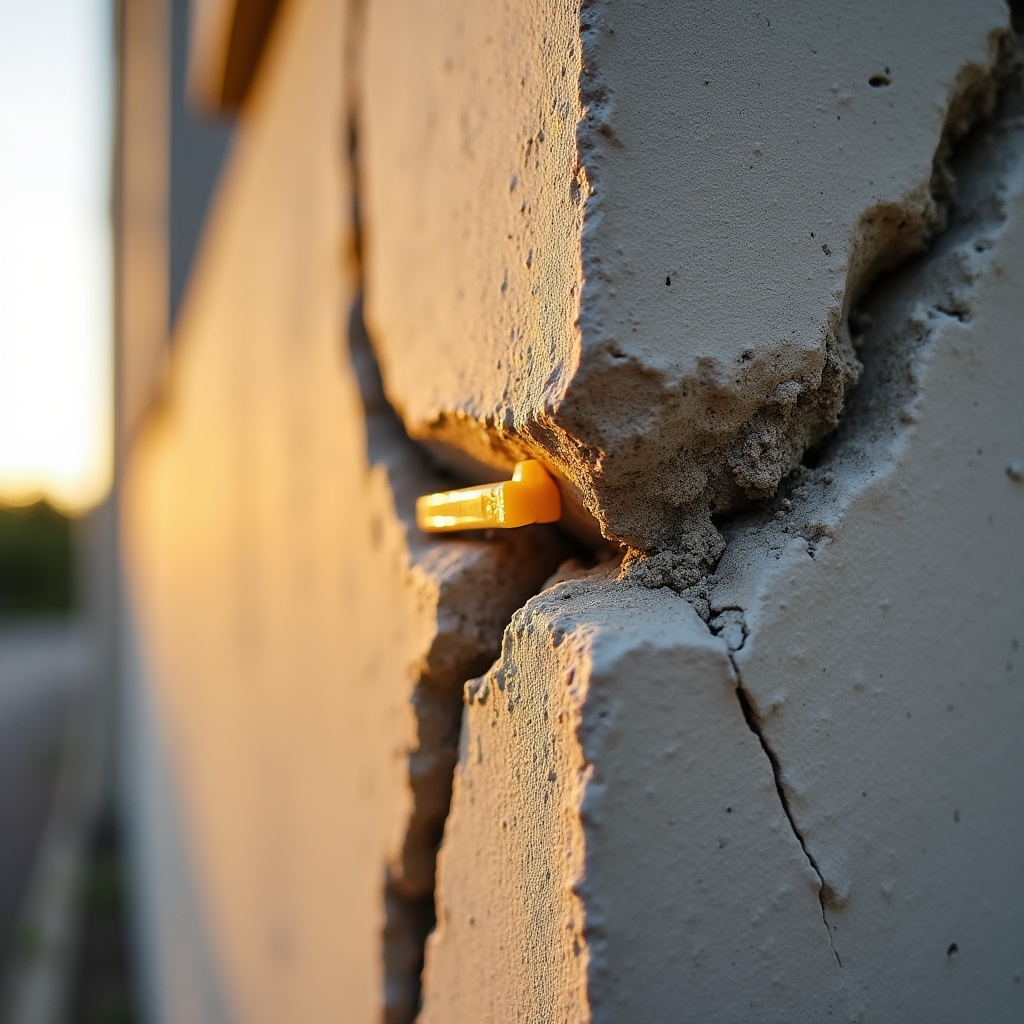
Facade Conditions We Document
Structural Cracking
Cracks that follow structural elements or reflect differential settlement. Measured for width and monitored for activity.
Capillary Cracking
Fine surface cracking in render from shrinkage or thermal movement. Cataloged by pattern, density, and depth.
Active Water Infiltration
Zones where water enters the wall system. Traced to source — failed joint, crack, or defective seal — and classified by urgency.
Humidity Staining
Efflorescence and staining from moisture migration through the wall. Location mapped against structural elements to identify thermal bridge origins.
Render Delamination
Hollow sections identified by percussion testing. Area quantified and fall risk assessed. Urgent flag applied where detachment risk exists.
Paint Film Failure
Delamination, blistering, and chalking documented by elevation and floor level. Substrate condition assessed beneath failing paint.
Sealant Deterioration
All window perimeter seals and joint sealants inspected for adhesion loss, cracking, shrinkage, and UV degradation.
Tile & Cladding Issues
Loose, cracked, or detached tiles and cladding panels documented. Adhesion tested by percussion where surface allows.
Exposed Reinforcement
Areas where concrete cover has failed and steel reinforcement is visible or at risk. Classified as urgent intervention required.
The Platform Inspection Process
Roof Survey & Platform Rigging
Before any platform work begins, the building roof is surveyed to identify structural anchor points for the suspended platform. Platform rigging is installed and load-tested before technicians board. All safety protocols comply with applicable Argentine occupational safety regulations.
Systematic Facade Descent
The platform descends the building in overlapping vertical strips, typically 2–3 meters wide, ensuring complete facade coverage. Each strip is inspected from top floor to ground level before the platform repositions. Corner sections receive dedicated inspection passes.
Real-Time Field Recording
Technicians record each finding on standardized field sheets keyed to a facade elevation grid. Photographs are taken with a reference scale in frame. Percussion testing is performed across the full render surface. Sealant condition is assessed by visual and tactile examination.
Pathology Classification
Each recorded finding is classified by type, probable cause, severity (urgent / scheduled / monitoring), and estimated affected area. This classification drives the repair prioritization in the final report.
Report Compilation & Delivery
Field data is compiled into the final inspection report: facade elevation drawing with pathology overlay, photographic catalog, repair specification for each pathology type, and itemized cost estimate. Report delivered within five working days of field completion.
What the Inspection Report Contains
Pathology Map
Facade elevation drawing with every finding georeferenced by floor and horizontal position. Color-coded by severity.
Photographic Catalog
High-resolution photographs of every finding, organized by type and location. Each image includes reference scale and location identifier.
Priority Classification
Each finding classified as urgent, scheduled, or monitoring-only. Clear rationale provided for each classification.
Repair Specifications
Technical repair specification for each pathology type — materials, method, and sequence — usable by any qualified contractor.
Cost Estimate
Itemized repair cost estimate by pathology category and priority level. Provides an independent baseline for evaluating contractor quotes.
Maintenance Schedule
Recommended timeline for urgent, short-term, and long-term maintenance actions. Structured for use in annual building maintenance planning.