Home Why Us Technical Diagnosis FAQ Contact
EN | ES
Buildings up to 25 floors

What the Builder Hoped You'd Never See

Five years after construction, Argentina's building facades begin to reveal their true condition — hairline cracks in the render, humidity stains from thermal bridges, window seals that no longer seal, and paint peeling where afternoon sun hits hardest. We document every centimeter.

Suspended platform access Photographic pathology mapping Prioritized repair budget
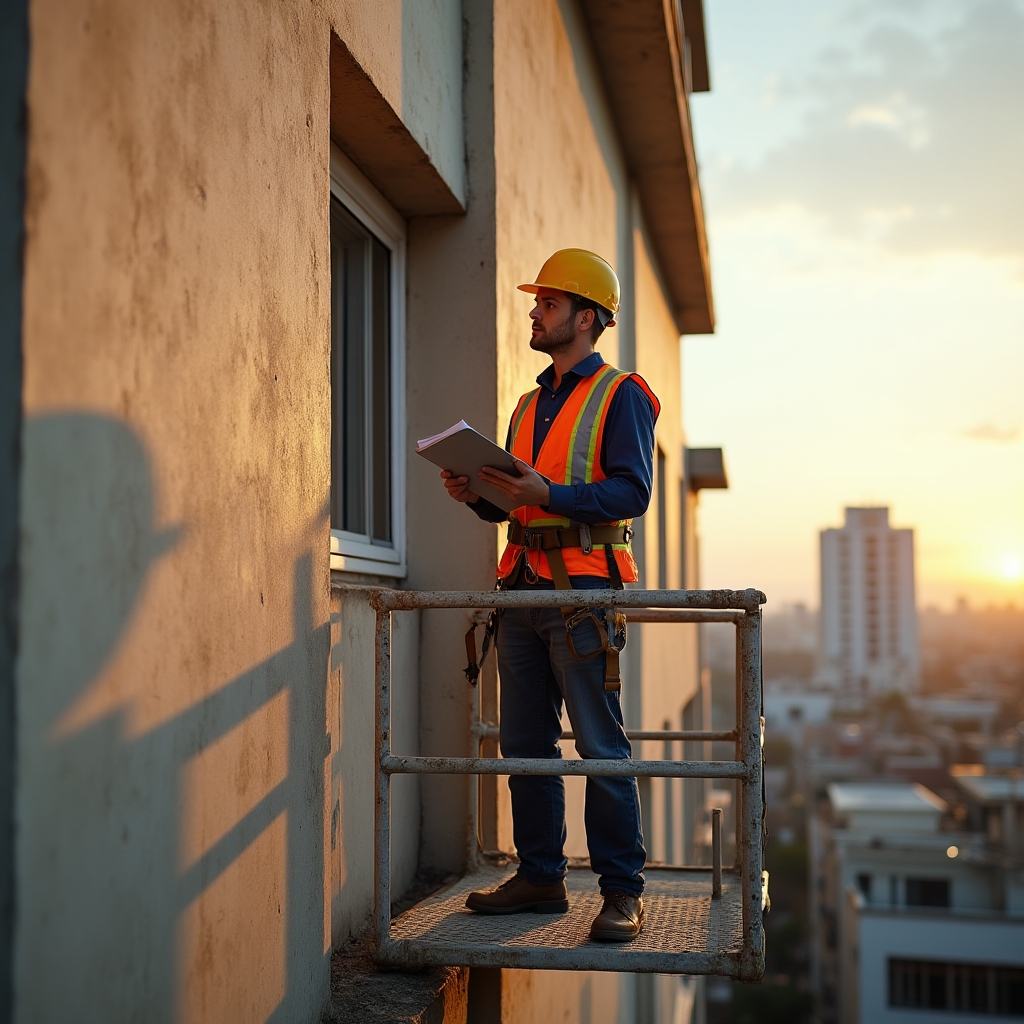
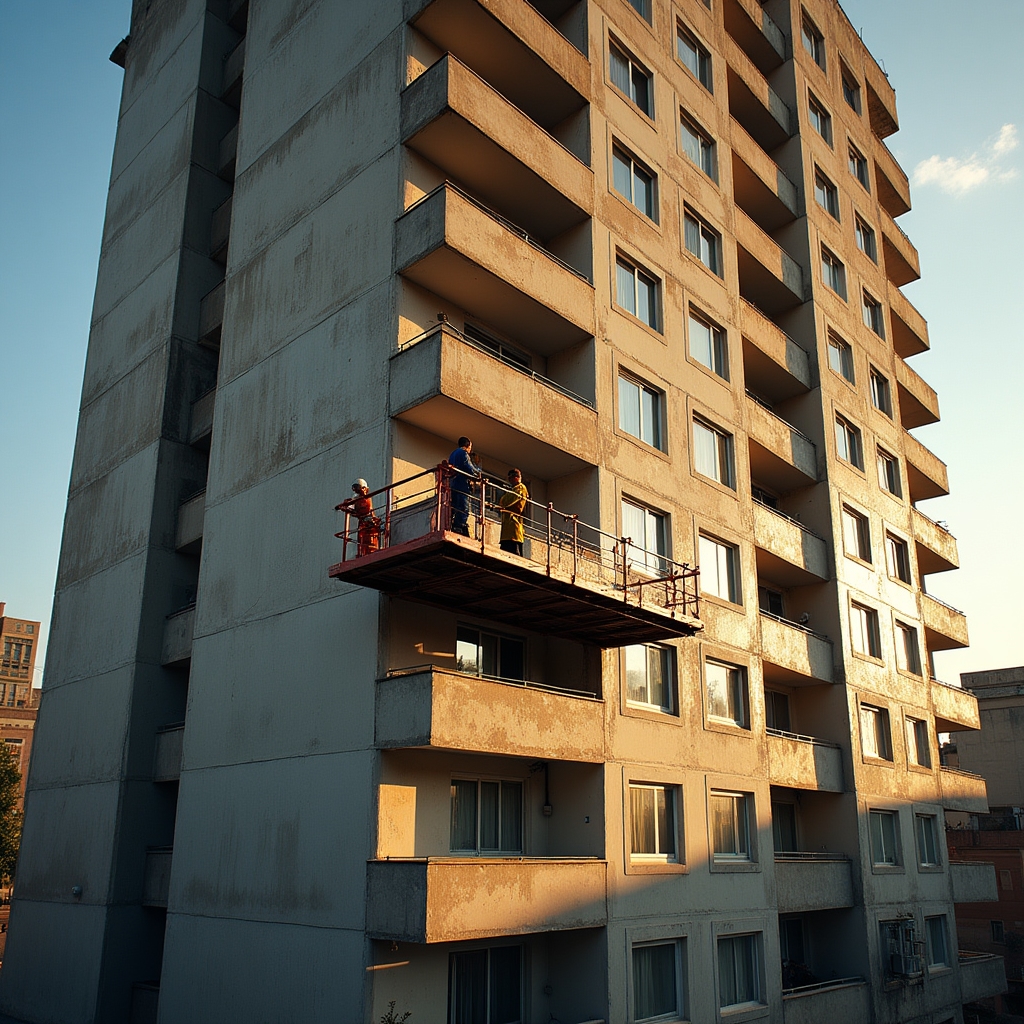
Technician on suspended platform inspecting building facade
Meter-by-meter survey
Humidity & thermal bridge detection
Photographic pathology report
Urgent vs. aesthetic repair budget
The Pathologies That Appear After Year Five

Buildings in Argentina's climate face specific deterioration patterns that become visible between five and ten years after construction. Early detection prevents structural damage from compounding.

Render Cracking

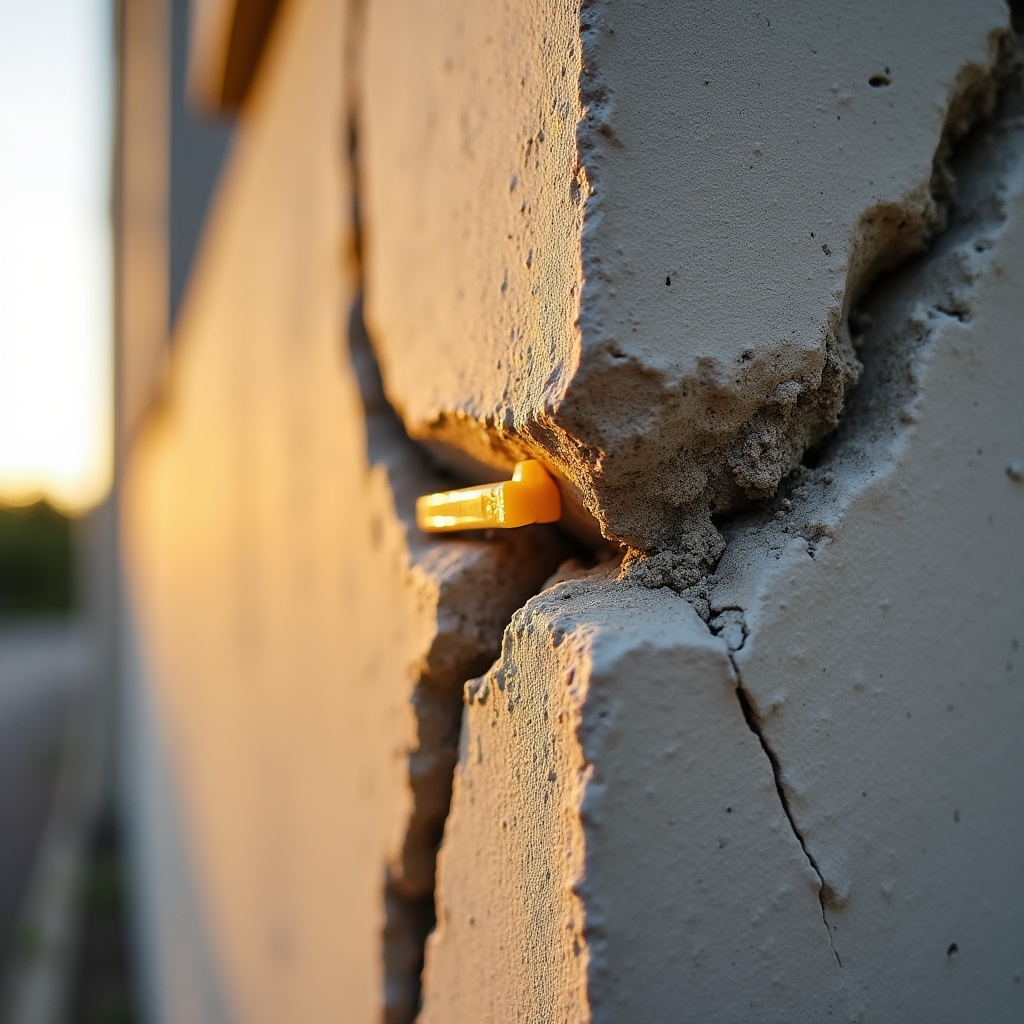
Hairline and structural cracks in exterior render allow water infiltration, accelerating deterioration of the underlying masonry and reinforcement.

Thermal Bridge Staining

Humidity stains appearing at structural elements — columns, beams, slabs — signal thermal bridges where condensation consistently forms inside the wall.

Failed Window Seals

Silicone and polyurethane seals around window frames degrade with UV exposure and thermal cycling, creating direct water infiltration pathways.

Paint Delamination

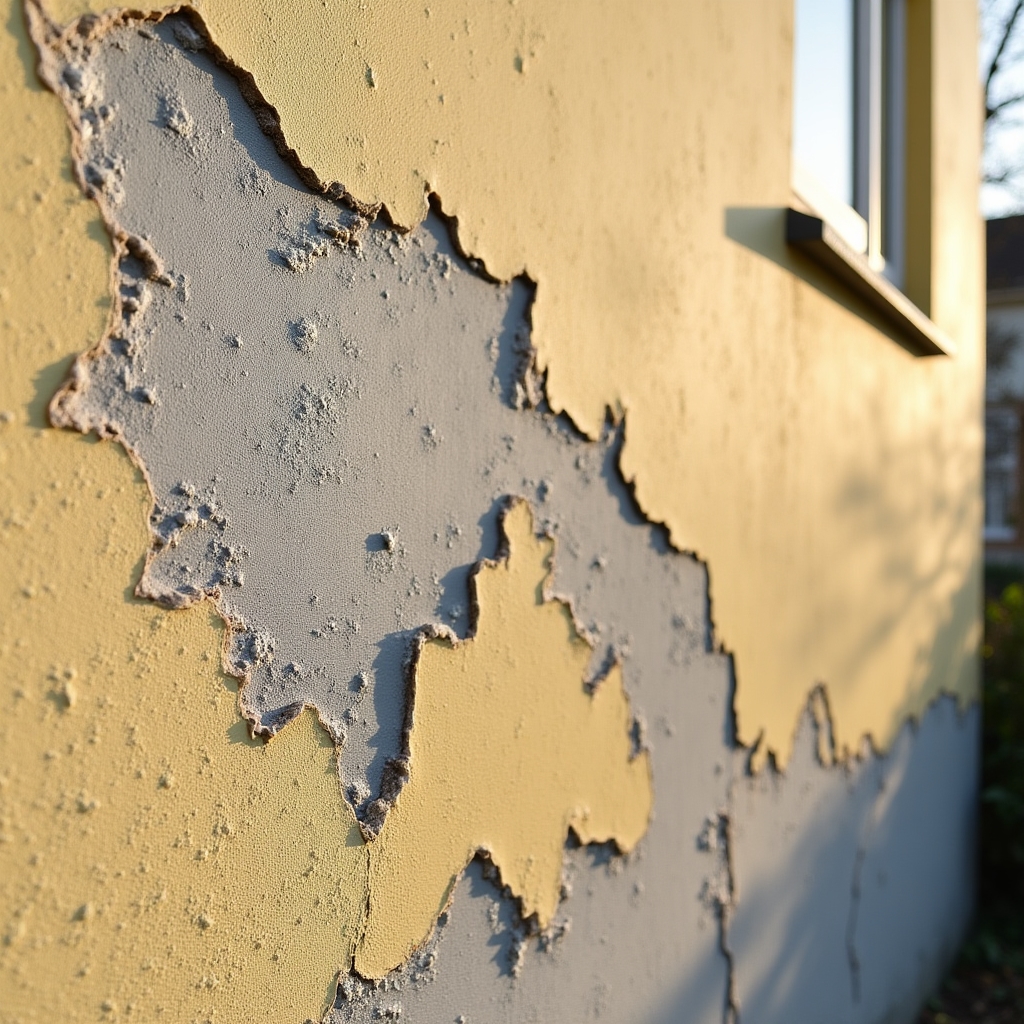
Peeling and flaking paint on sun-exposed facades indicates moisture trapped beneath the paint film, often from inadequate surface preparation at construction.

How the Inspection Works

A structured three-phase process ensures every square meter of facade is documented and every finding is contextualized within a clear repair plan.

01

Suspended Platform Access

Our team deploys certified suspended platforms (silletas) on buildings up to 25 floors. This gives technicians direct physical contact with the facade at every level — no drone estimates, no binoculars from the street. The platform moves systematically across each elevation in overlapping vertical strips.

02

Meter-by-Meter Pathology Mapping

Every anomaly — crack, stain, failed joint, spalled tile, delaminated paint — is photographed, measured, and geo-referenced to a facade elevation drawing. The result is a complete photographic map of the facade's condition, organized by type and severity of pathology.

03

Prioritized Repair Budget

The inspection report distinguishes clearly between urgent structural repairs that require immediate intervention and aesthetic corrections that can be scheduled. Each item includes a repair specification and cost estimate, giving building administrators a clear, actionable maintenance plan.

Close-up of facade crack with measurement scale

Why Physical Access Changes Everything

Remote visual inspection from the street misses the majority of facade pathologies. Cracks below 0.3mm, failed sealants, early-stage delamination, and moisture-induced efflorescence are only detectable at arm's length.

Crack width measurement with calibrated instruments — not visual estimation
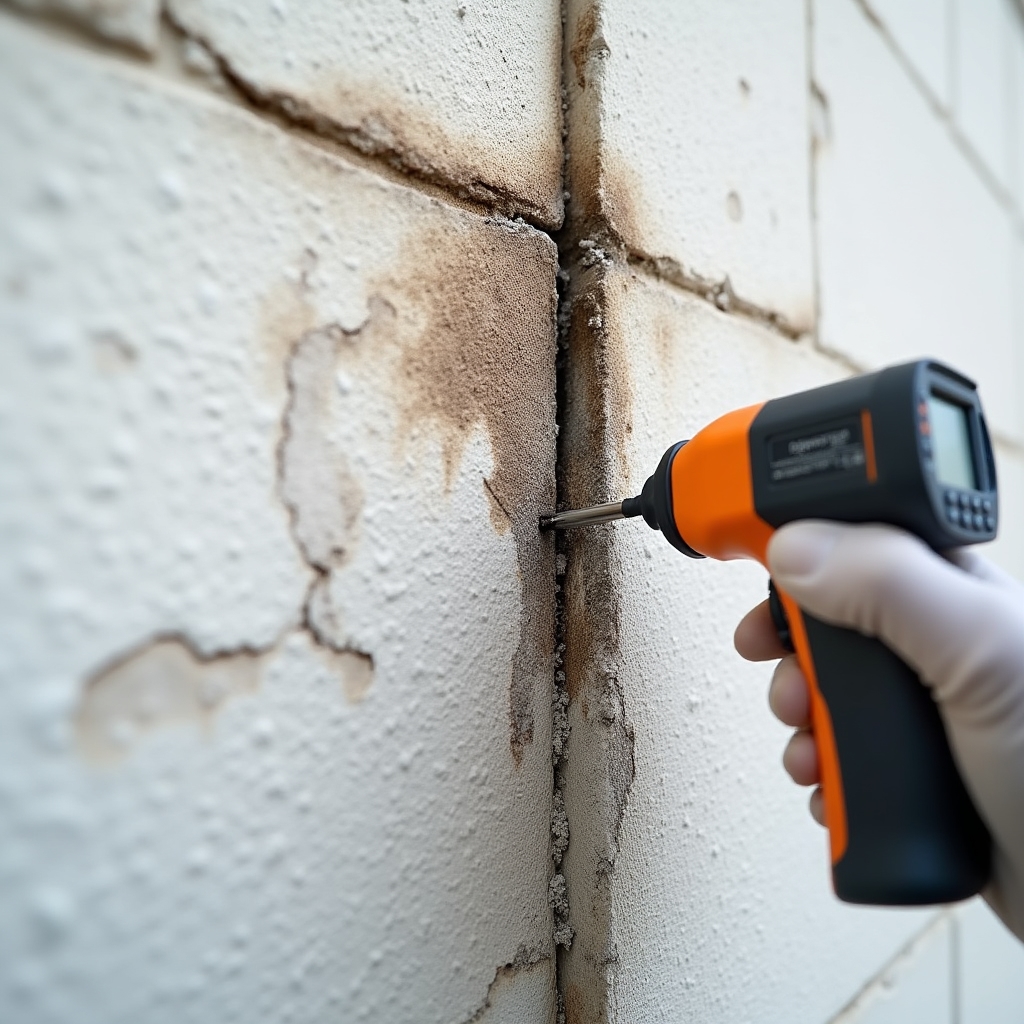
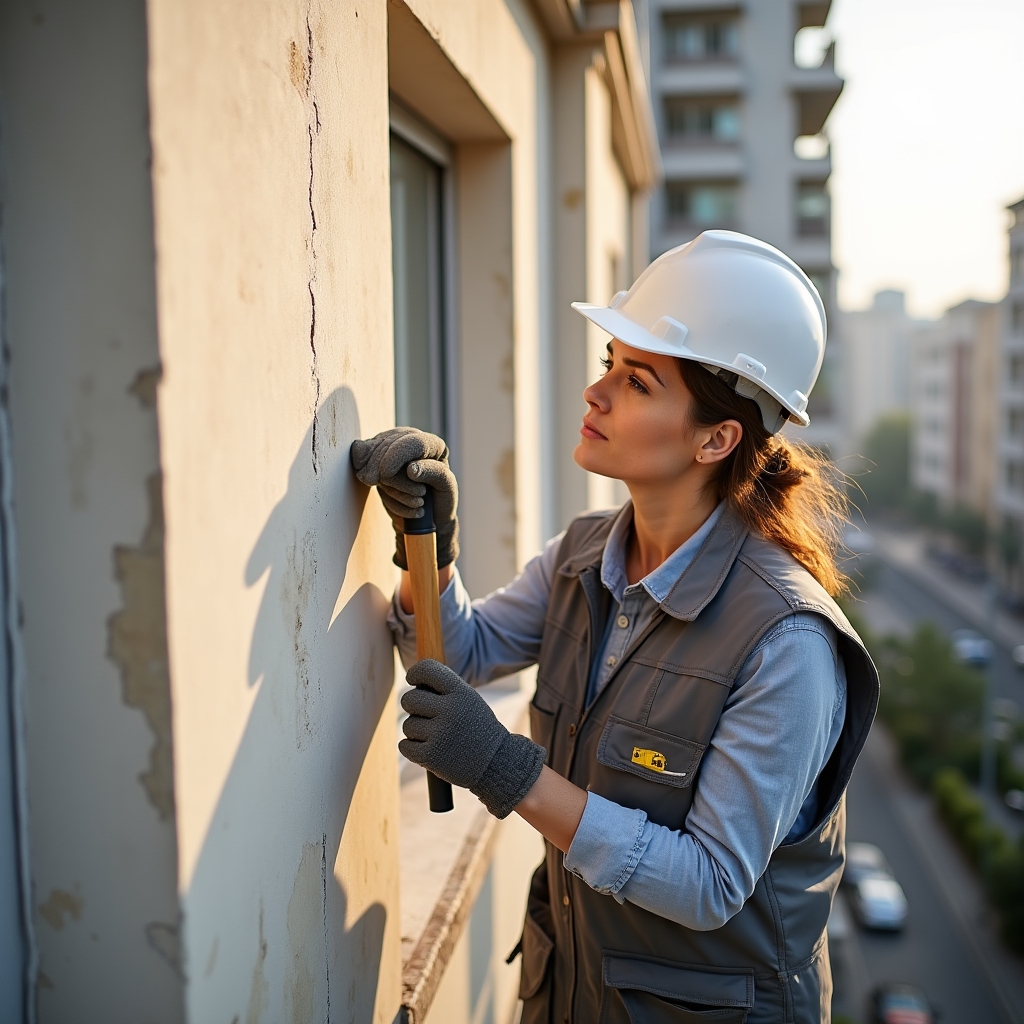
Percussion testing to identify hollow render sections before they detach
High-resolution macro photography of each pathology with reference scale
Immediate safety flag for conditions posing risk to pedestrians below

What the Inspection Covers

Inspector examining render surface on building facade
Structural

Render & Masonry Assessment

Complete evaluation of exterior render integrity, including crack mapping, hollow section detection, and adhesion assessment. Masonry joint condition documented systematically.

Technician documenting humidity stains on building exterior wall
Urgent

Humidity & Infiltration Mapping

Identification and documentation of all humidity manifestations — efflorescence, staining, active infiltration zones — with analysis of probable causes and infiltration pathways.

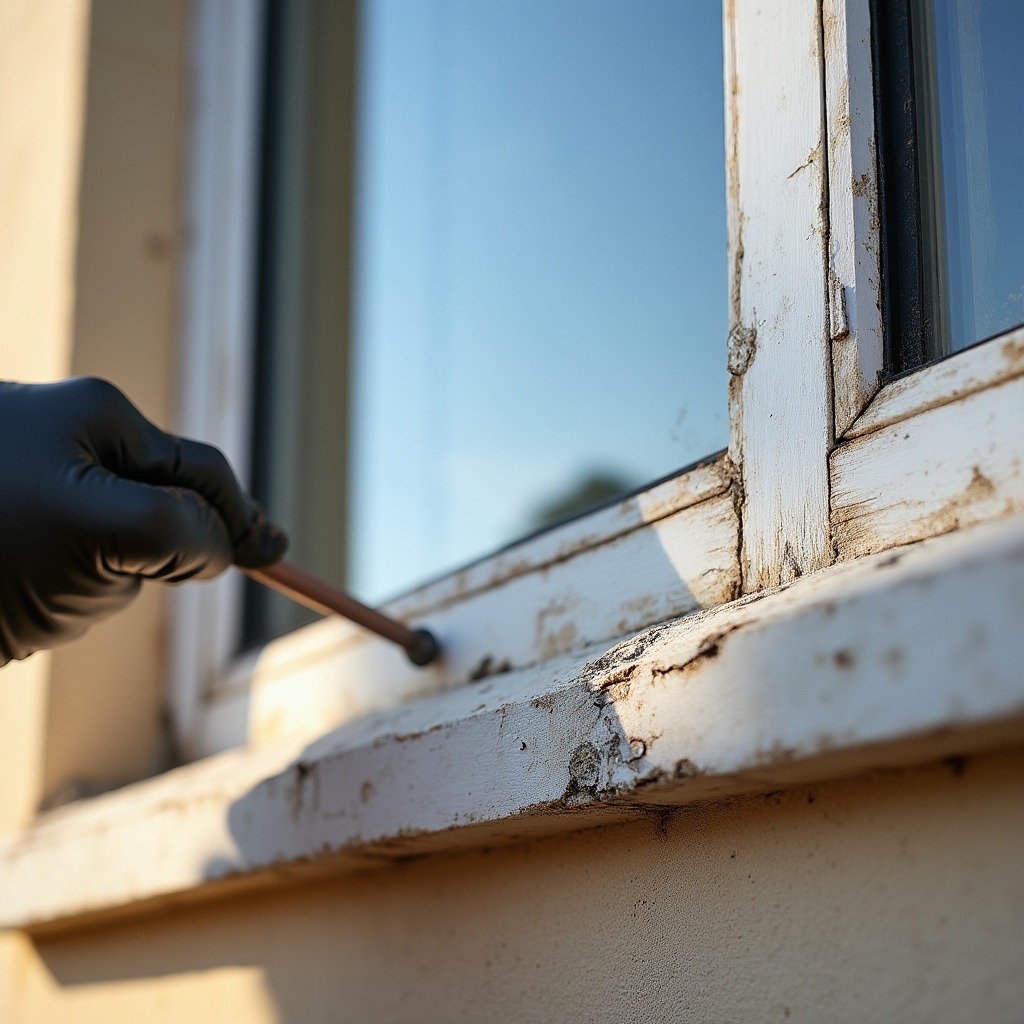
Close inspection of window frame sealant condition on multi-story building
Envelope

Window & Joint Seal Inspection

Systematic inspection of all perimeter window seals, expansion joints, and facade penetrations. Condition graded by severity and replacement priority assigned.

Peeling paint on sun-exposed building facade surface
Finish

Paint & Coating Evaluation

Assessment of paint film adhesion, delamination extent, and substrate condition beneath failing paint. Recommendations distinguish between cosmetic repainting and substrate remediation requirements.

Workers on suspended platform at high elevation on building facade
Access

High-Elevation Access Service

Suspended platform deployment for buildings from ground level to 25 floors. Full inspection coverage of all facade elevations including difficult corners and setbacks.

Frequently Asked Questions

Building manager reviewing facade inspection report document

Have a question not covered here? Contact us directly at info@dexviloq.com

What types of buildings are eligible for this inspection service?

The service is designed for residential and commercial multi-story buildings from 3 to 25 floors. It is particularly relevant for buildings between 5 and 20 years old, when facade pathologies typically become visible, though buildings of any age with observable deterioration can benefit from a systematic inspection.

How long does a facade inspection take?

Duration depends on building height, facade area, and the number of elevations to be inspected. A typical mid-rise building (10–15 floors) with two or three facades generally requires two to four working days of platform operation. The written report with photographic mapping is delivered within five working days of completing field work.

What does the inspection report include?

The report includes: a facade elevation drawing with all pathologies mapped and referenced; a photographic catalog of each finding with location, dimensions, and classification; a prioritized repair schedule distinguishing urgent structural interventions from scheduled aesthetic maintenance; and an itemized cost estimate for each repair category. The document is formatted for use by building administrators, property owners, and contractors.

Is the inspection disruptive to building residents?

Platform operations are conducted from the roof and exterior only. Residents are not required to provide access to individual units. We coordinate with building administration to notify residents of platform movement on their elevation in advance. Work is carried out during standard business hours.

What is the difference between urgent and aesthetic repairs in your report?

Urgent repairs are those where inaction poses a risk to structural integrity, public safety, or accelerated water infiltration damage. These include detached render sections, active infiltration at structural elements, and failed seals at expansion joints. Aesthetic repairs — such as minor paint touch-ups or surface staining without active infiltration — can be incorporated into a planned maintenance cycle without immediate urgency.

Do you carry out the repairs as well, or only the inspection?

Dexviloq provides the technical inspection, pathology mapping, and repair budget as an independent service. The inspection report is written to be used by any qualified contractor and does not require engaging us for subsequent repair work. This separation ensures the inspection findings remain objective and impartial.

Request a Facade Inspection

Describe your building and we will outline the scope and process for your specific case.

Get in Touch